
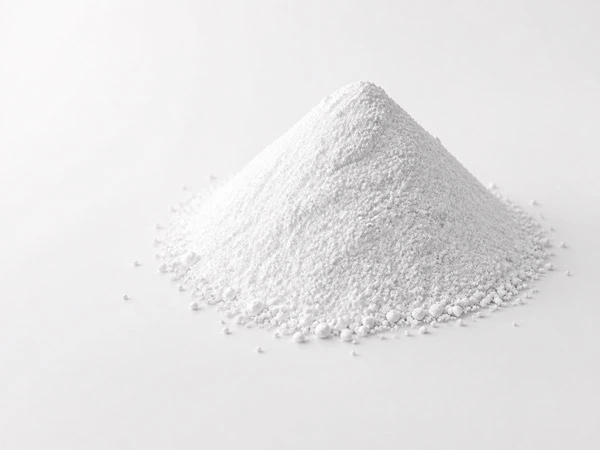
Polytetrafluoroethylene (PTFE) is known for its chemical resistance, low friction, electrical insulation and hydrophobic surface. These properties make PTFE suitable for tubes, hoses, filter materials, sealing parts and other specialized products.
For PTFE processing equipment manufacturers, hydrophobicity is not only a material characteristic. It also affects powder handling, preforming, extrusion, molding and the final surface condition of the product.
Why Is PTFE Hydrophobic?
The carbon-fluorine structure of PTFE gives the material a low surface energy. Water does not easily spread across a smooth PTFE surface and tends to remain in the form of droplets.
A smooth PTFE surface commonly shows a water contact angle of approximately 108° to 115%. The actual result depends on surface roughness, material formulation, cleanliness and testing conditions.
More information about the basic properties of PTFE can be found on this PTFE material reference page.
How Does PTFE Hydrophobicity Affect Processing?
PTFE does not process like ordinary thermoplastics. PTFE powder normally requires a suitable preforming process before extrusion or molding.
Because PTFE has a low-surface-energy structure, the powder characteristics, powder distribution and preform quality can affect the stability of the following process. A suitable preform helps the material enter the extrusion or molding stage with a more consistent structure.
During production, the final surface condition can also be influenced by:
- PTFE grade and filler formulation
- Powder preparation and preforming pressure
- Die and mandrel design
- Extrusion speed and pressure
- Mold filling and compaction
- Degreasing and sintering conditions
- Surface roughness of the finished product
For this reason, equipment selection and process adjustment should be considered together.
PTFE Tubes and Hoses
When PTFE is processed into tubes or hoses, the hydrophobic surface can help reduce liquid adhesion on the inner wall. This is useful in fluid-transfer applications and systems that require easier cleaning.
The die and mandrel determine the main inside diameter, outside diameter and wall thickness. However, the final product also depends on the PTFE material, preform condition, extrusion pressure, extrusion speed and sintering process.
SUKO PTFE extrusion equipment can be configured for different tube and hose dimensions. By changing the die and mandrel, one extrusion system can be adapted for different product structures.
ePTFE and Microporous PTFE
ePTFE is produced through an expansion process that creates a microporous structure. Its performance is different from that of dense PTFE products.
Dense PTFE tubes mainly use the material’s chemical stability, low friction and hydrophobic surface. ePTFE products use a controlled microporous structure to provide functions such as air permeability, filtration or gas-liquid separation.
Therefore, equipment and process design for ePTFE products must consider more than the basic water-repellent property. Pore structure, porosity, thickness and production conditions are also important.
Modified PTFE and Surface Performance
Modified PTFE may contain carbon, graphite, carbon fiber, glass fiber or bronze fillers. These materials are used to improve wear resistance, load capacity, dimensional stability or electrical performance.
Fillers can also change the surface appearance and surface condition of the final product. As a result, the wetting behavior of modified PTFE may differ from that of virgin PTFE.
This does not mean that modified PTFE loses its hydrophobic characteristics. It means that material formulation, processing method and surface condition should be evaluated together when the product has specific water-resistance or filtration requirements.
SUKO PTFE Processing Equipment
SUKO develops and manufactures equipment for PTFE preforming, paste extrusion, tube extrusion and compression molding.
Depending on the product structure and production requirements, SUKO can provide equipment solutions for:
- PTFE tubes and hoses
- Small-diameter and thin-wall PTFE tubing
- PTFE capillary tubes
- PTFE microporous tube projects
- Solid PTFE mandrel rods
- Modified PTFE profiles and tubes
- Custom PTFE molded products
SUKO can also discuss the matching relationship between PTFE material, preforming method, die design, extrusion conditions and sintering process.
From Material Properties to Production Equipment
PTFE hydrophobicity is only one part of the material’s performance. In actual production, the result depends on the relationship between material formulation, product structure and processing equipment.
If your project involves PTFE tubes, hoses, modified PTFE products, microporous materials or other customized PTFE parts, SUKO can help evaluate the required process and equipment configuration.
Contact SUKO to discuss your PTFE processing project, production line or customized equipment requirements.
Contact
Phone/Whatsapp: +86 19975113419
contact: https://ptfe-machinery.com/contact/

