
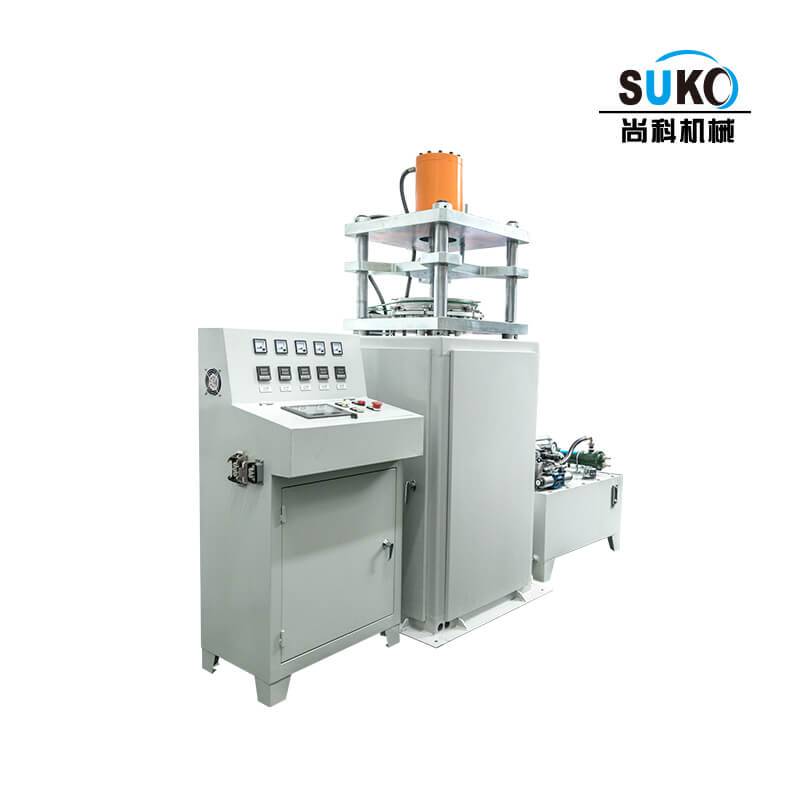
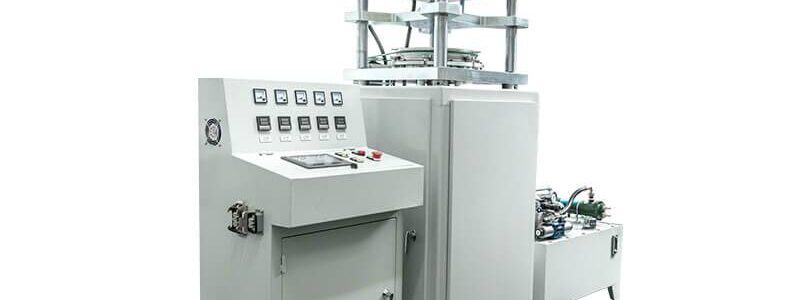
PTFE extrusion technology plays a critical role in the manufacturing of high-performance fluoropolymer tubing and industrial components. Among the most widely used processes, PTFE paste extrusion and PTFE ram extrusion are the two primary manufacturing methods for producing PTFE tubes, rods, and profiles.
Although both processes are used in PTFE production, they differ significantly in terms of processing method, product structure, material behavior, and final application.
This article explains the differences between PTFE paste extrusion and ram extrusion, their advantages, applications, and how to select the right PTFE extrusion process for industrial manufacturing.
What Is PTFE Paste Extrusion?
PTFE paste extrusion is a manufacturing process mainly used for producing flexible PTFE tubing with small diameters and thin wall structures.
In this process, fine PTFE powder is mixed with lubricant before being compressed and extruded through a die under controlled conditions.
The extruded tube then passes through:
- Drying process
- Sintering furnace
- Cooling and sizing stages
Paste extrusion is commonly used in the production of:
- PTFE tubing
- Medical catheter liners
- Heat shrink tubing
- Thin-wall PTFE tubes
- Wire insulation tubing
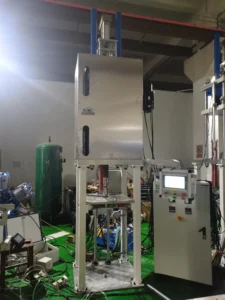
What Is PTFE Ram Extrusion?
PTFE ram extrusion is mainly used for manufacturing larger PTFE products such as:
- PTFE rods
- Thick-wall tubes
- PTFE profiles
- Industrial sealing materials
Unlike paste extrusion, ram extrusion uses granular PTFE material that is compressed and pushed through the mold in segments using hydraulic pressure.
The process is suitable for producing:
- Large diameter PTFE tubes
- Industrial PTFE components
- Heavy-duty fluoropolymer products
Main Differences Between Paste Extrusion and Ram Extrusion
| Feature | PTFE Paste Extrusion | PTFE Ram Extrusion |
|---|---|---|
| Raw Material | Fine PTFE powder | Granular PTFE resin |
| Lubricant Required | Yes | No |
| Product Type | Thin-wall flexible tubing | Thick-wall rigid products |
| Production Method | Continuous | Intermittent |
| Precision | High | Medium |
| Typical Applications | Medical tubing, liners | Industrial tubes, rods |
| Surface Finish | Smooth | Relatively rough |
| Tube Diameter | Small to medium | Medium to large |
Advantages of PTFE Paste Extrusion
PTFE paste extrusion offers several advantages for precision tubing production.
High Precision Tubing Production
The process enables manufacturing of:
- Thin-wall PTFE tubing
- Micro-bore tubing
- Medical catheter liners
with tight dimensional tolerances.
Excellent Surface Finish
Paste extrusion produces smoother inner and outer surfaces, making it ideal for:
- Medical applications
- Low-friction tubing
- High-purity fluid transfer
Continuous Production
Compared with ram extrusion, paste extrusion supports continuous processing, improving production efficiency.
Better Flexibility
Paste extruded tubing is generally more flexible and suitable for dynamic applications.
Advantages of PTFE Ram Extrusion
Ram extrusion remains essential for industrial PTFE production.
Suitable for Large Products
Ram extrusion is ideal for:
- Large diameter PTFE tubes
- Thick-wall pipes
- Structural PTFE components
Lower Production Cost for Large Parts
For heavy industrial applications, ram extrusion can be more economical.
Strong Mechanical Structure
Ram extruded products often provide better rigidity and structural strength.
Applications of PTFE Paste Extrusion Machines
PTFE paste extrusion machines are widely used in industries such as:
- Medical tubing manufacturing
- Wire and cable insulation
- Aerospace tubing
- Chemical transfer systems
- Heat shrink tubing production
For high-precision fluoropolymer tubing production, manufacturers typically use dedicated paste extrusion lines.
Applications of PTFE Ram Extrusion Machines
PTFE ram extrusion equipment is commonly used for:
- Industrial PTFE pipe manufacturing
- PTFE rod production
- Seal material extrusion
- Large fluoropolymer profiles
How to Choose the Right PTFE Extrusion Process
The choice depends on product requirements.
Choose Paste Extrusion If You Need:
- Thin-wall tubing
- Flexible PTFE tubes
- High precision
- Smooth surface finish
- Medical or electronic applications
Choose Ram Extrusion If You Need:
- Large diameter products
- Thick-wall PTFE pipes
- Industrial structural components
- Heavy-duty applications
Future Trends in PTFE Extrusion Technology
With increasing demand for:
- Medical PTFE tubing
- High-performance fluoropolymer products
- Precision catheter liners
- Semiconductor fluid systems
modern PTFE extrusion equipment is evolving toward:
- Higher automation
- Better temperature control
- Precision sizing systems
- Energy-efficient production
Conclusion
Both PTFE paste extrusion and ram extrusion are important manufacturing technologies in the fluoropolymer industry.
Paste extrusion is more suitable for high-precision thin-wall tubing applications, while ram extrusion is preferred for large industrial PTFE products.
Selecting the correct extrusion process can significantly improve product quality, manufacturing efficiency, and application performance.
FAQ
What is the difference between PTFE paste extrusion and ram extrusion?
Paste extrusion is mainly used for thin-wall flexible PTFE tubing, while ram extrusion is used for thick-wall industrial PTFE products and larger profiles.
Why is lubricant used in PTFE paste extrusion?
Lubricant helps reduce friction during extrusion and improves material flow for high-precision tubing production.
Which PTFE extrusion method is used for medical tubing?
PTFE paste extrusion is commonly used for medical catheter tubing and thin-wall fluoropolymer liners.
Is ram extrusion suitable for large PTFE pipes?
Yes. PTFE ram extrusion is widely used for large diameter and thick-wall PTFE industrial pipes.
 English
  Русский